Artificial intelligence has stopped being a forecast and started being a force. Boards are no longer asking whether to invest — they are asking how to translate a year of experimentation into systems their business can actually rely on. The challenge isn't picking a model. It's getting AI into production, with the same rigour we apply to any other piece of mission-critical software.
From insight to engine
Machine learning gave us prediction. Generative AI gave us creation. Combined, they're rewriting how enterprises operate — drafting contracts, designing campaigns, triaging tickets, surfacing risk, writing code. The companies pulling ahead aren't the ones with the most experiments. They're the ones who have industrialised the path from idea to deployed model.
Why most AI programmes stall
We see the same four blockers, almost everywhere we engage:
- Data silos. The signal is real, but it lives in twelve different systems, none of which talk to each other.
- Deployment gravity. The notebook works. The production version takes six months and never quite ships.
- Scale fragility. A model that's wonderful on 10,000 records becomes unpredictable on 10 million.
- Governance debt. No clear story for evaluation, lineage, security, or who gets paged at 3am when an agent goes off the rails.
MLOps is the answer — and it's not optional
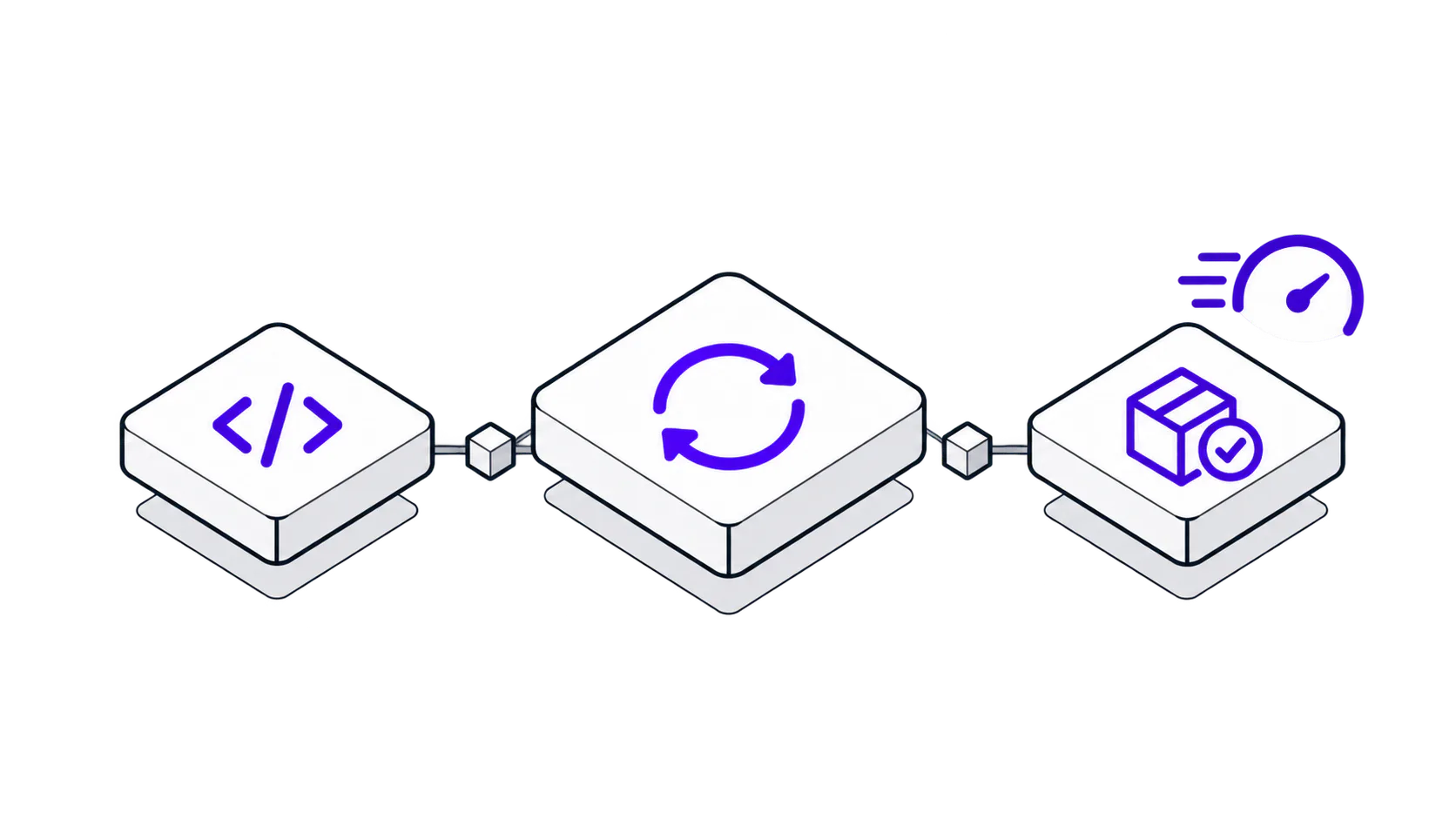
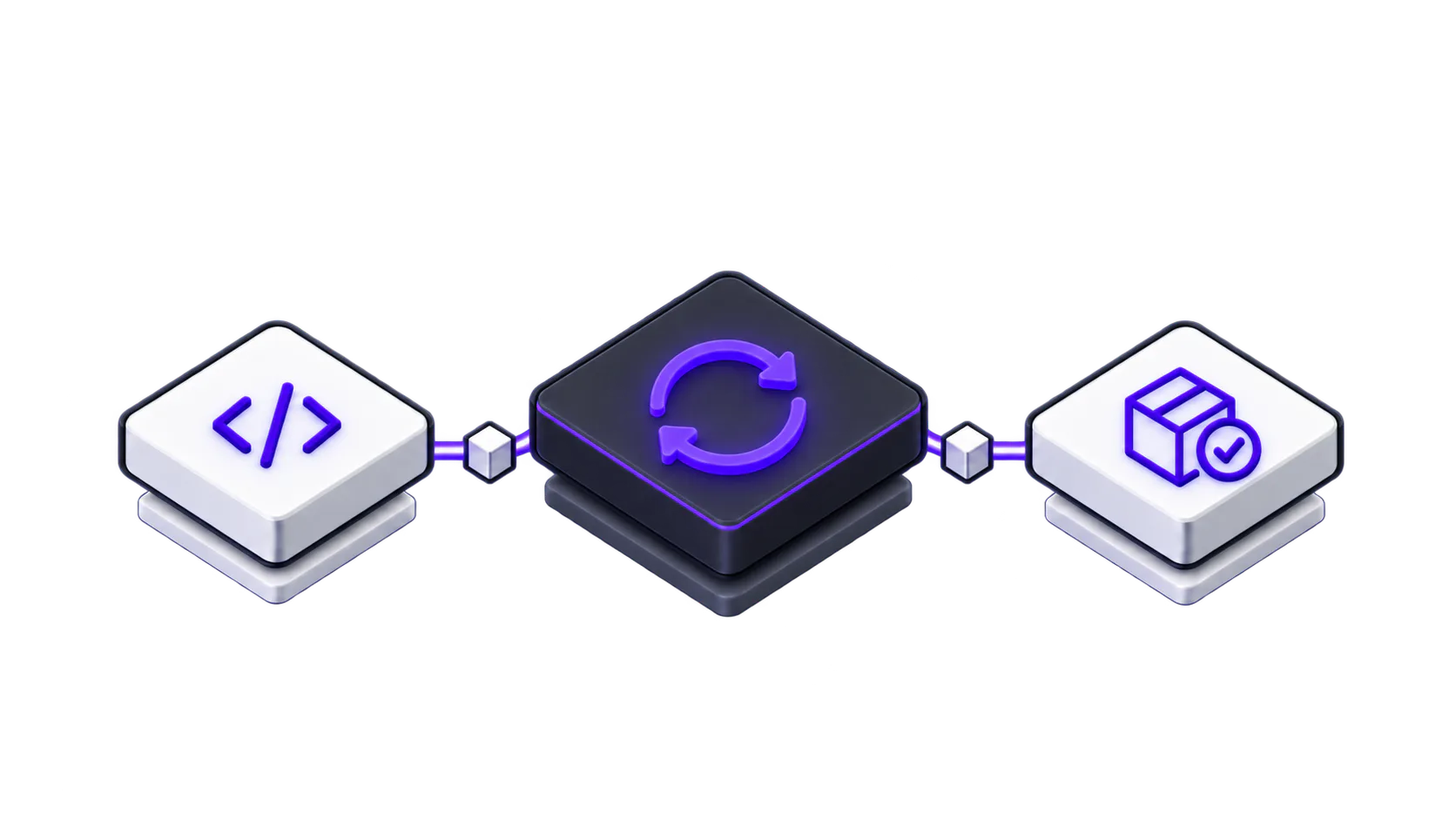
MLOps is what lets you treat models like products instead of artefacts. Versioned. Tested. Monitored. Re-trainable. With clear ownership, automated pipelines, and continuous evaluation against the metrics that matter to the business — not just the validation set.
Done well, MLOps shortens the distance between a working prototype and a deployed system from quarters to weeks. Done poorly, it becomes another set of dashboards no one trusts.
Where it's already paying off
- Financial services — fraud detection systems that retrain themselves nightly and catch novel attack patterns within hours.
- Healthcare — diagnostic copilots that read imaging studies and triage them before a radiologist opens the queue.
- Retail — demand forecasts that adapt to weather, social signal, and supply disruption in near real time.
- Manufacturing — predictive maintenance that reduces unplanned downtime by double-digit percentages.
- Marketing — generative campaigns produced, A/B tested, and personalised at a scale that was simply impossible two years ago.
How Algorims engineers it
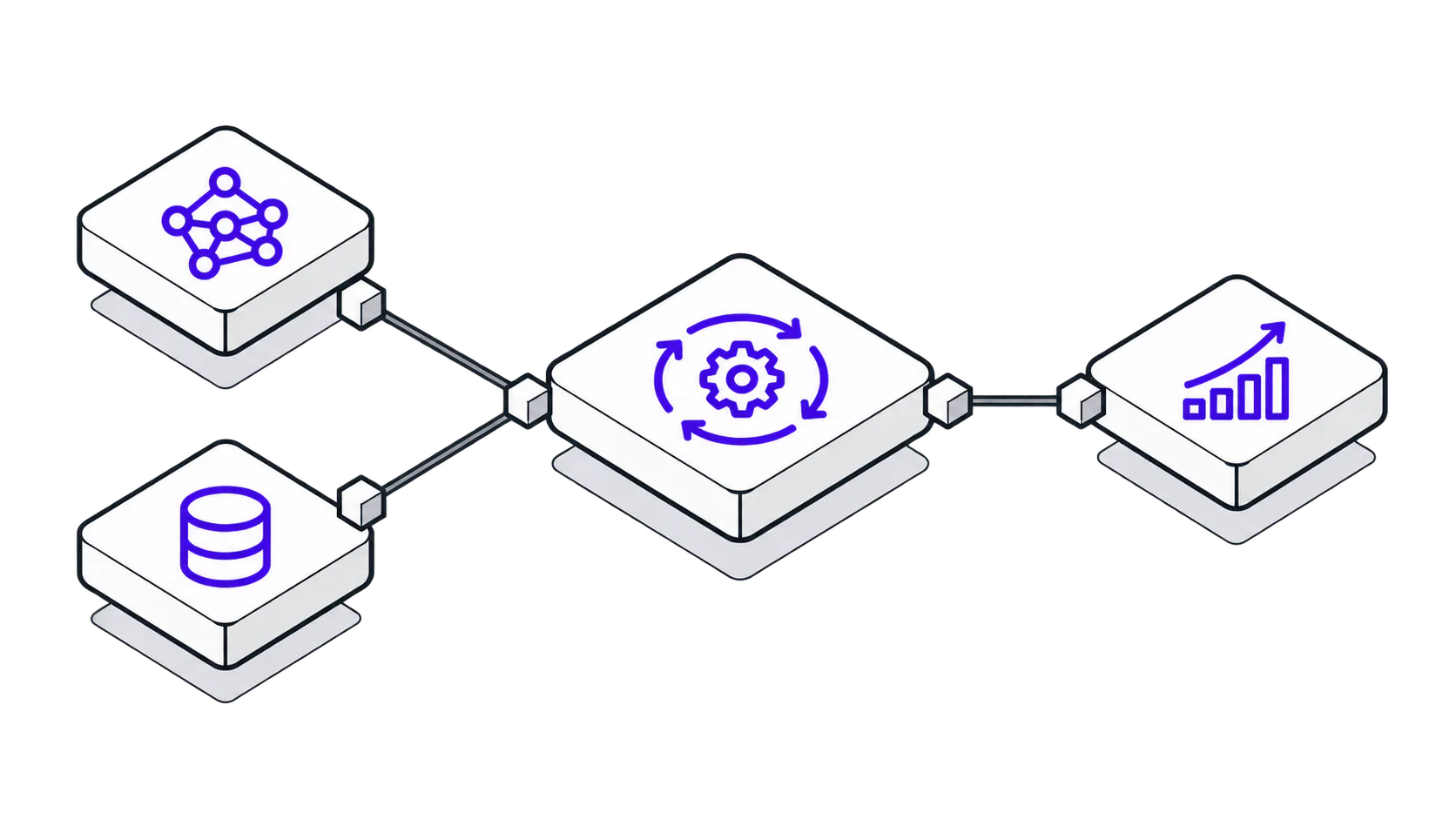
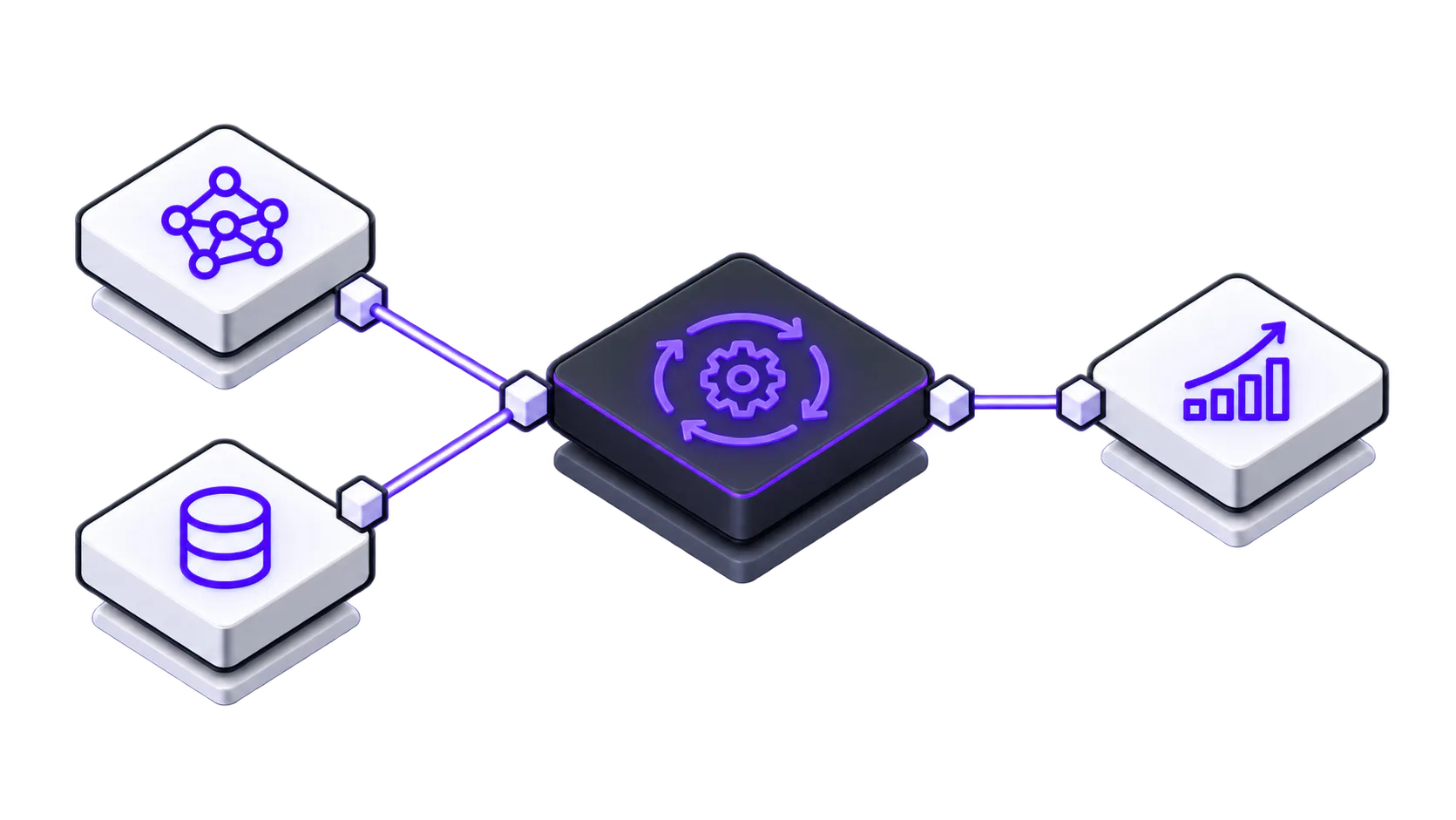
We don't sell models. We engineer the system around them — data pipelines, evaluation harnesses, deployment infrastructure, governance, and the operational discipline that keeps it all running. From data strategy to production-grade MLOps, our work is judged by one thing: whether the AI is still earning its keep six months after launch.
The next chapter is operational
The pilot era is closing. The next decade belongs to organisations that have made AI operational — not impressive in a demo, but dependable in production. That shift is an engineering problem more than a research one. And it's the problem we're built to solve.