Demos are easy. A working agent in production — one your CFO will sign off on and your security team won't escalate — is a different category of problem. The model is the smallest part of the answer. Everything around it is where the engineering happens.
What an agent actually is
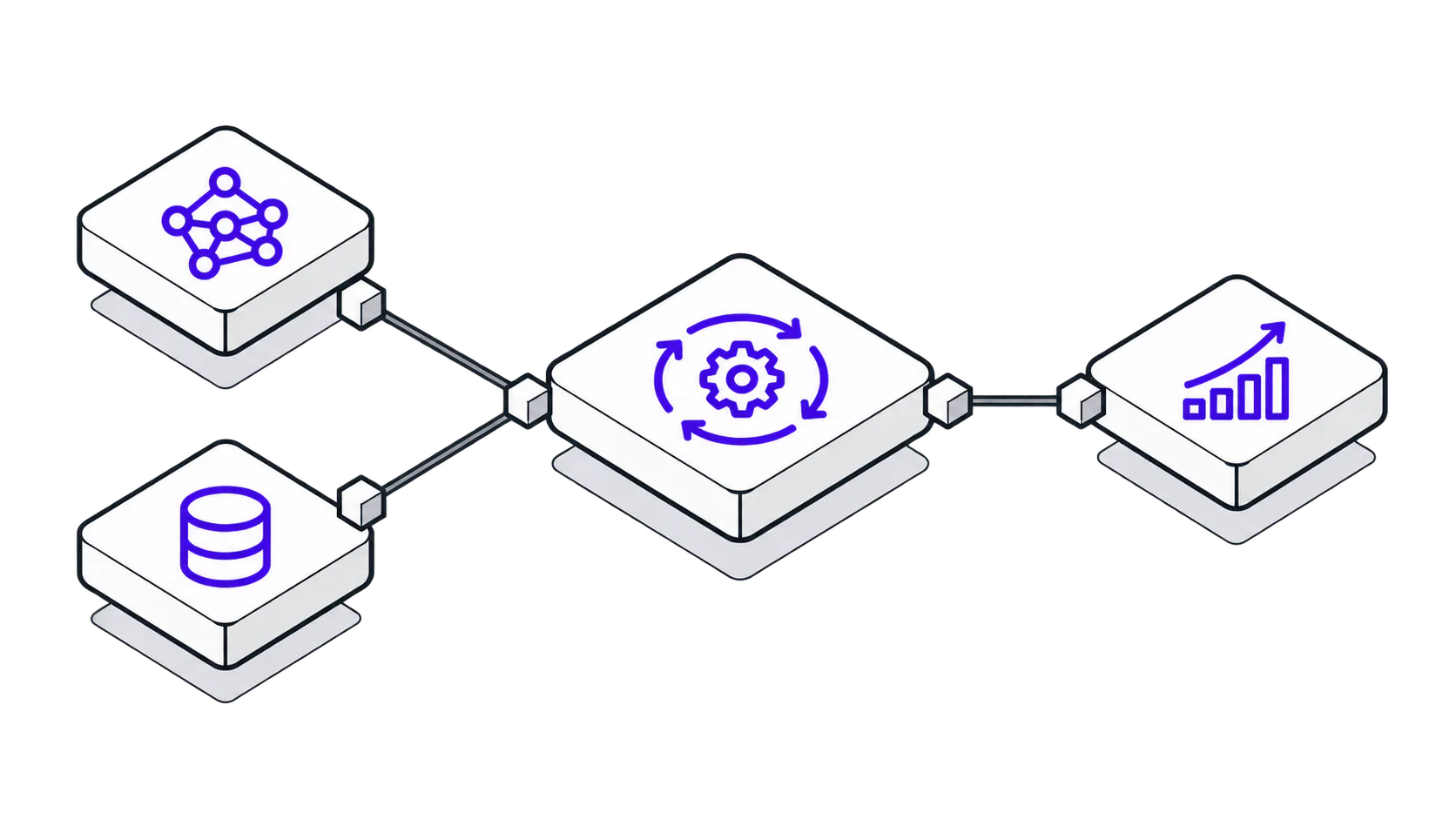
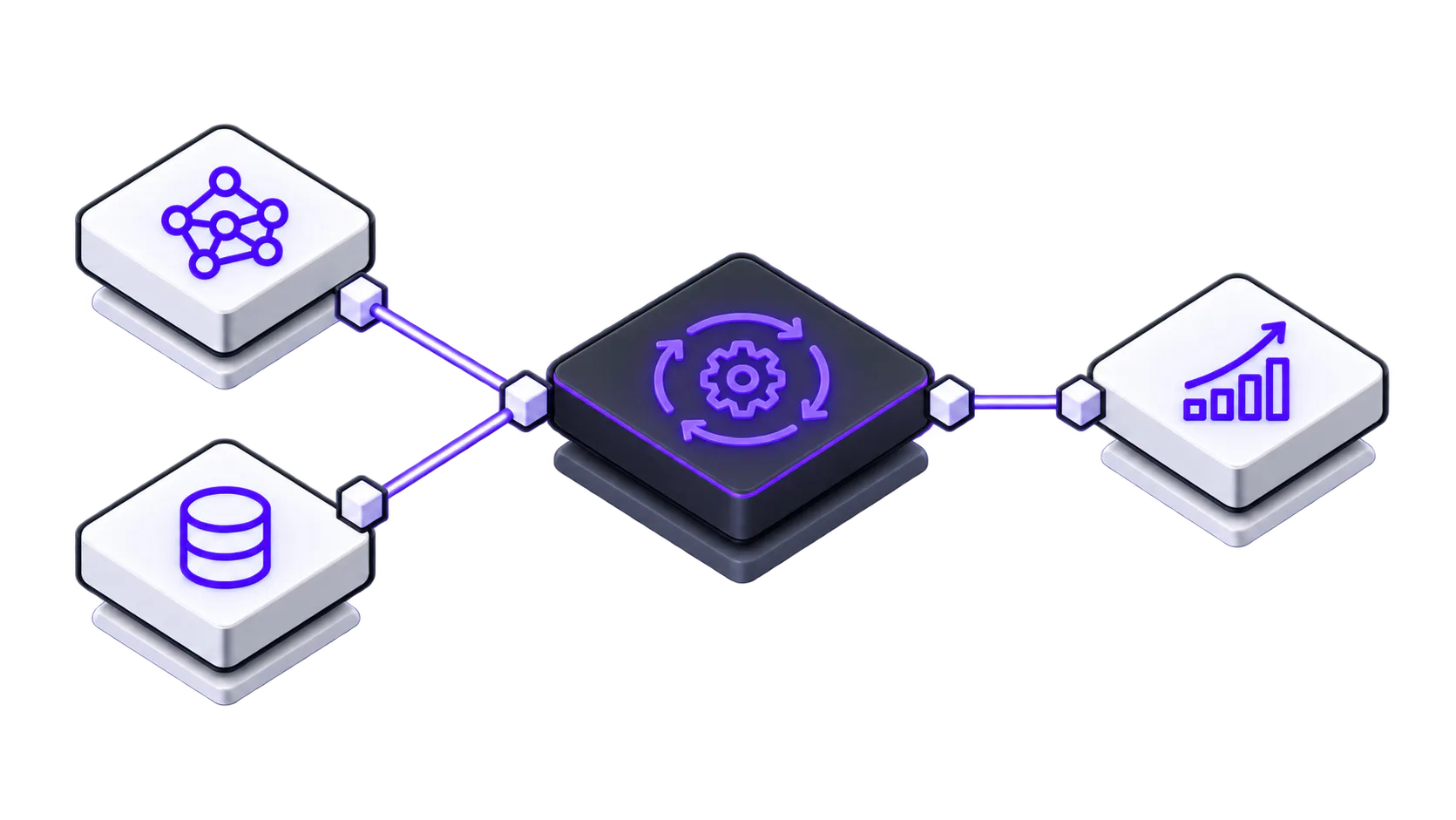
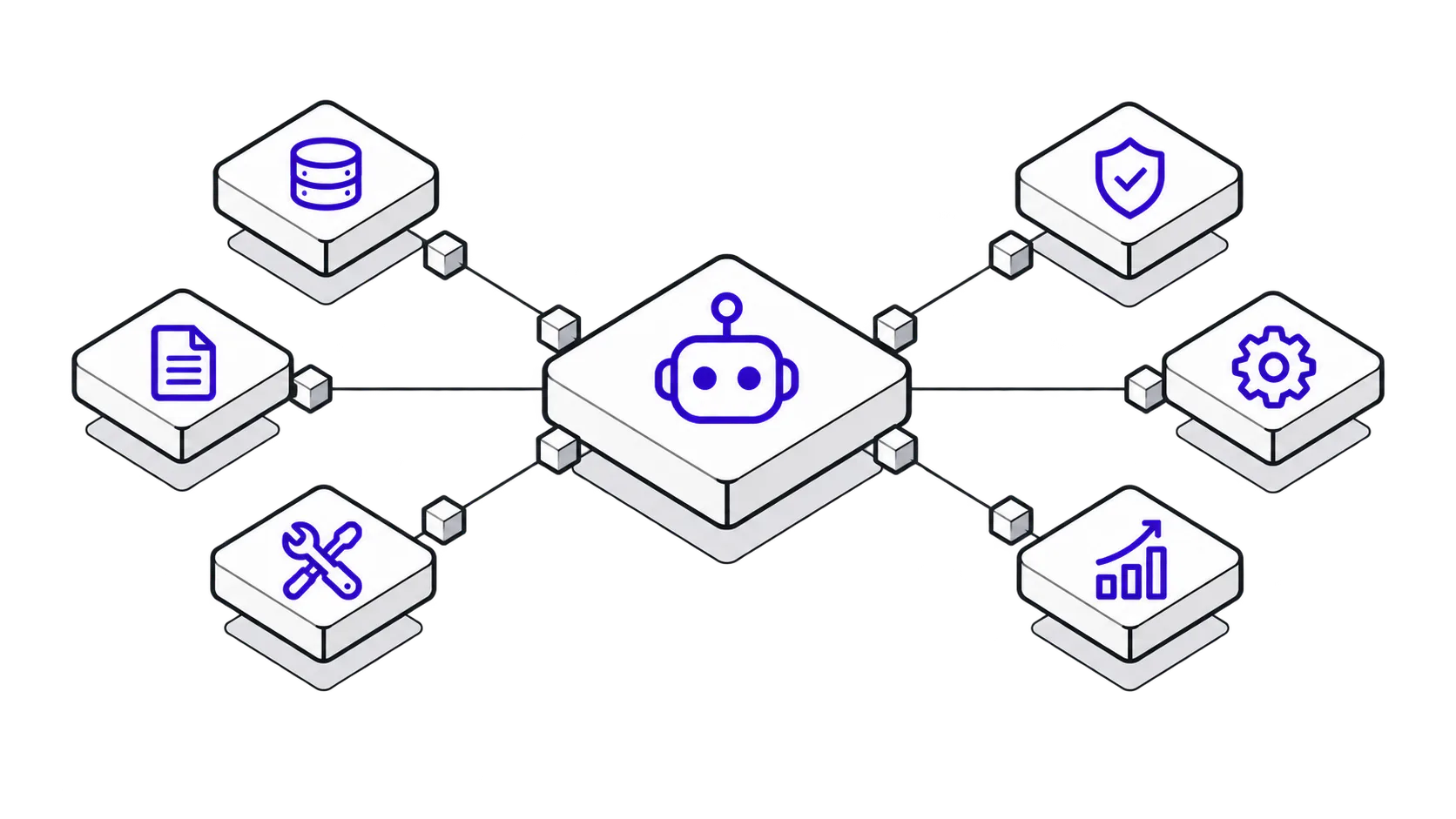
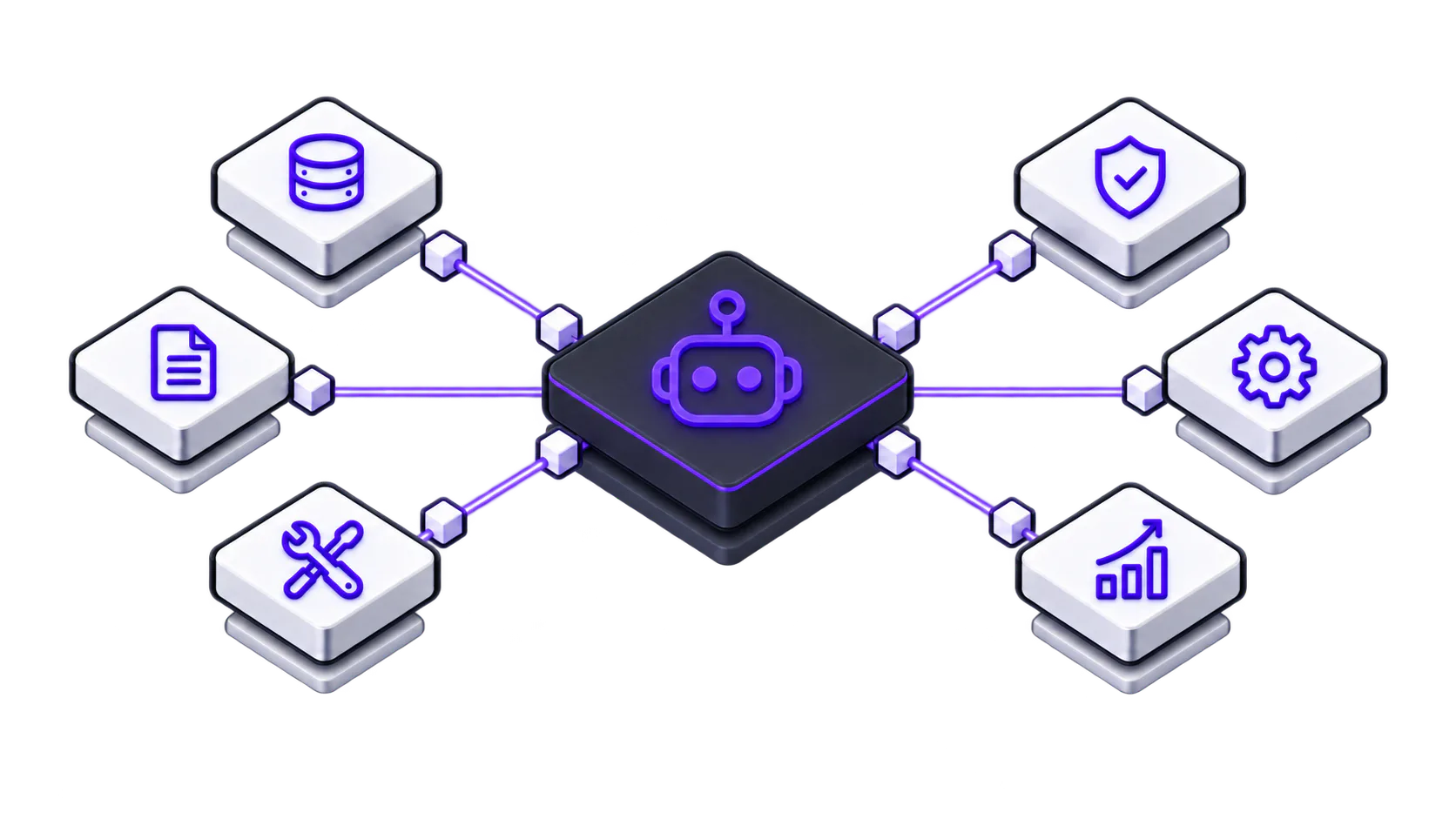
Strip away the marketing and an agent is a fairly small set of moving parts: a planner that decides what to do next, a memory that remembers what it's already learned, a set of tools it can call, and a runtime that wraps the whole thing in observability, guardrails, and recovery. Each part fails in different ways. The art is in making them fail gracefully.
The seven layers we always ship
- Orchestration. The planner, the policy, and the decision logic that keeps an agent from going off-script.
- Reasoning. Model selection, prompt strategy, structured output — chosen per task, not picked once and reused for everything. Amazon Nova for enterprise reasoning; Bedrock for managed model access.
- Memory. Short-term scratchpad, long-term semantic store, and structured state. Three layers, not one.
- Tooling. The catalogue of capabilities the agent can call — APIs, databases, internal services. Versioned, typed, and gated. An ungated tool is an unsecured attack surface.
- Retrieval. Hybrid vector + keyword + structured queries, with intelligent reranking — built on Amazon Kendra and S3 Vectors. Not a single vector lookup.
- Evaluation. Offline eval suites, online traces, and human review queues. The bar is regression detection, not headline accuracy.
- Governance. Authn/authz, audit, content policy, cost controls, and the kill-switch you hope you never need.
Where teams underinvest
Almost universally: evaluation. Teams ship the agent, watch a handful of conversations, and call it good. Then six weeks later a model update changes behaviour, or a tool returns a malformed response, or someone phrases a question slightly differently — and there's no way to know without re-litigating each case by hand. Build the eval harness on day one. Pay yourself back forever.
Boring is a feature
The best agents we've shipped are the ones that look the least exciting in a screenshot. They do one job, they do it reliably, they cost what they should cost, and they stay out of trouble. That's the bar.
How we engage
We design and build agentic systems end-to-end on AWS — Bedrock, Nova, Kendra, SageMaker, S3 Vectors — and operate them with our clients until they're truly steady-state. The win condition is the agent quietly earning its keep six months in, not lighting up the keynote.