Two years ago, retrieval-augmented generation felt like the answer to everything. Today, almost every team we work with has a RAG pipeline in production — and almost every one of those teams is asking the same question: why is it still not quite good enough?
What RAG actually solved
RAG solved a single, important problem: grounding a generative model in your data. Done well, it cuts hallucinations dramatically and lets you reason over corpora that wouldn't fit in any context window. That's a real win, and most enterprise AI today still depends on it.
What RAG didn't solve
- Multi-hop reasoning. Vector similarity finds documents that look like the question. It rarely finds the chain of three documents you actually need to answer it.
- Structured questions. Many enterprise queries are filter-and-aggregate questions in disguise. Vector search is the wrong tool for those.
- Freshness. A RAG pipeline answers as well as its last sync. For real-time data, you need a different shape.
- Authorisation. 'Show me what I have access to' is a per-user query. Most early RAG systems quietly ignored this and got away with it.
- Quality drift. Embeddings move. Documents move. Without re-evaluation, retrieval quality silently degrades.
What comes next: knowledge orchestration
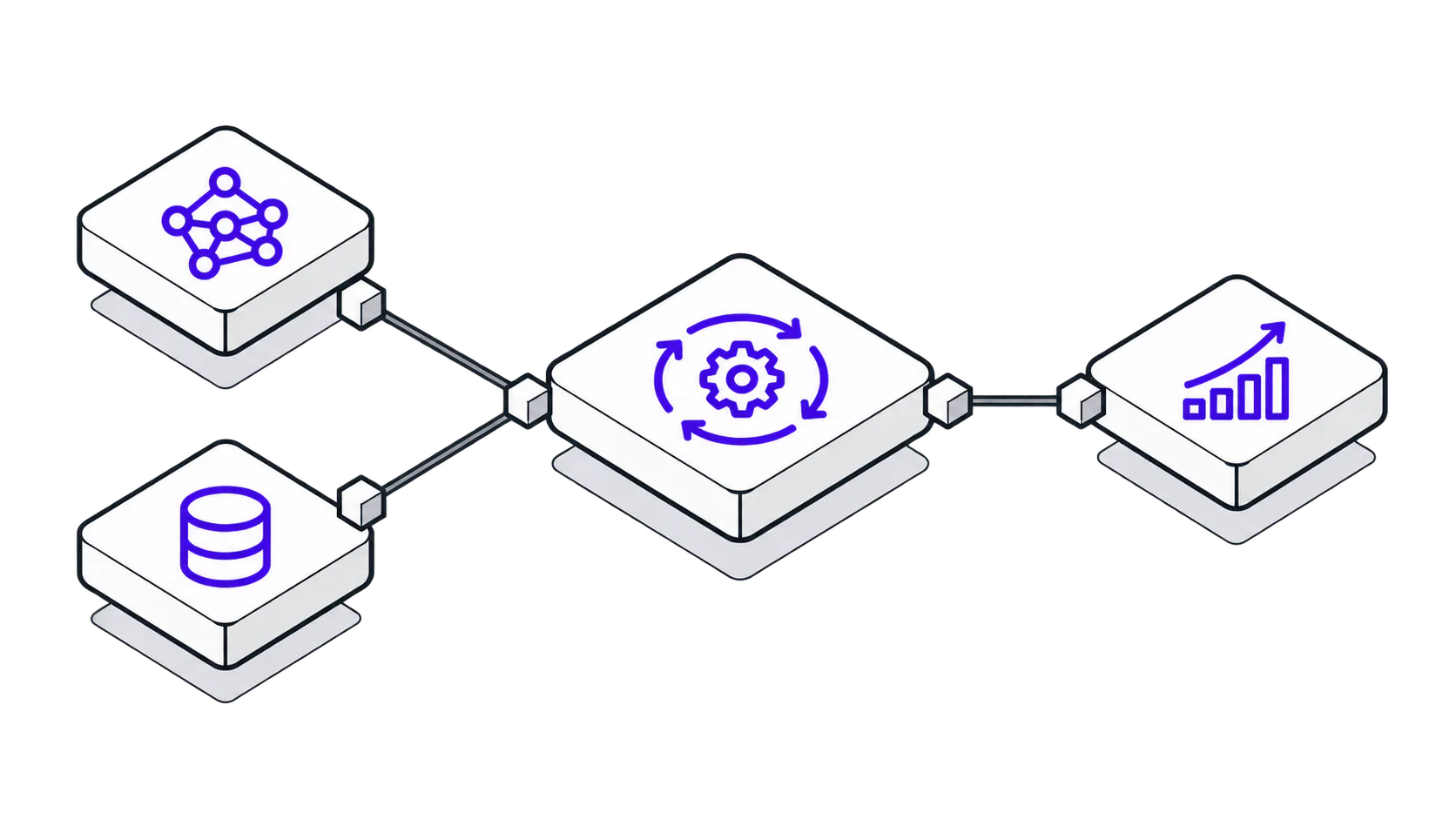
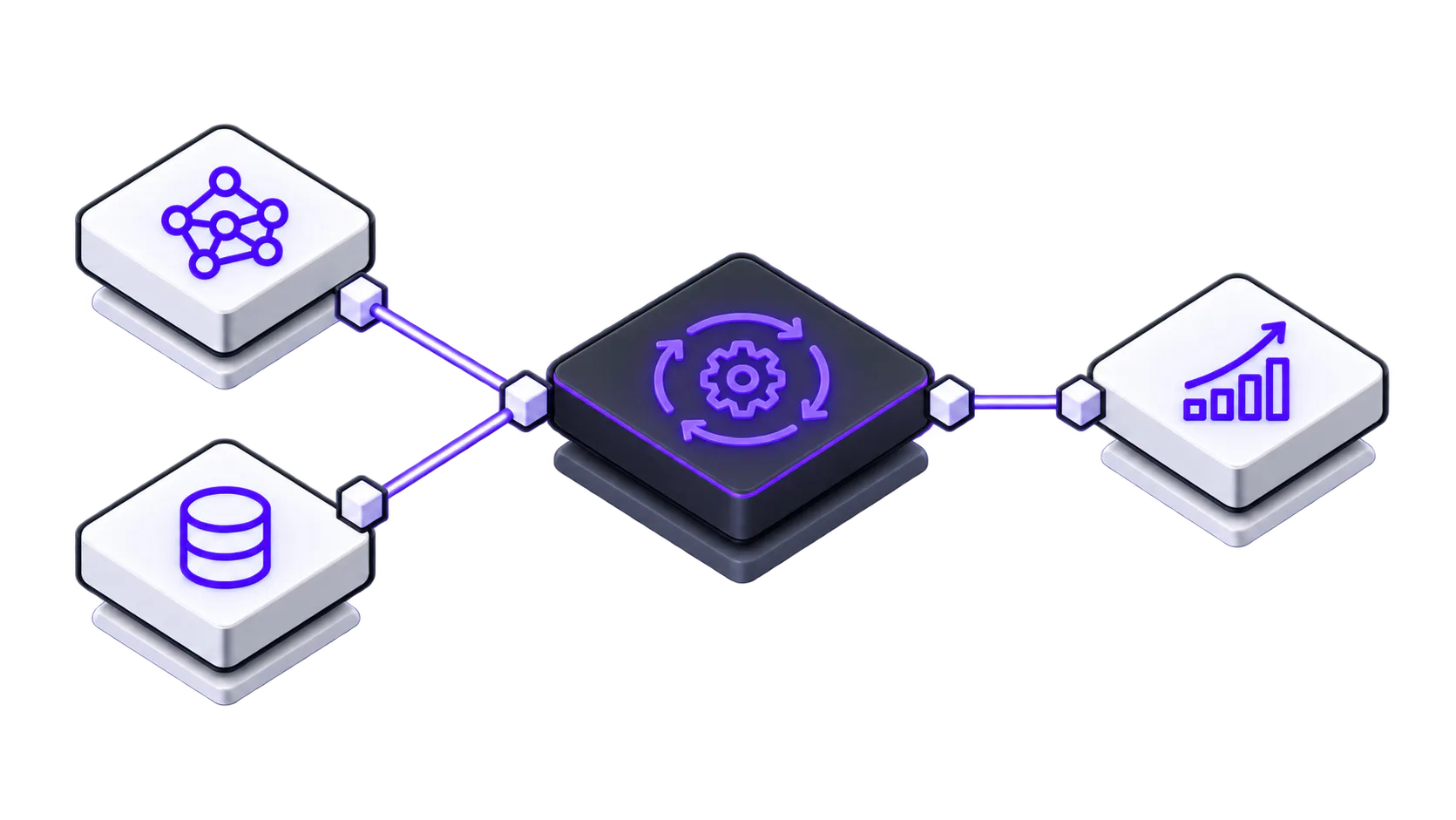
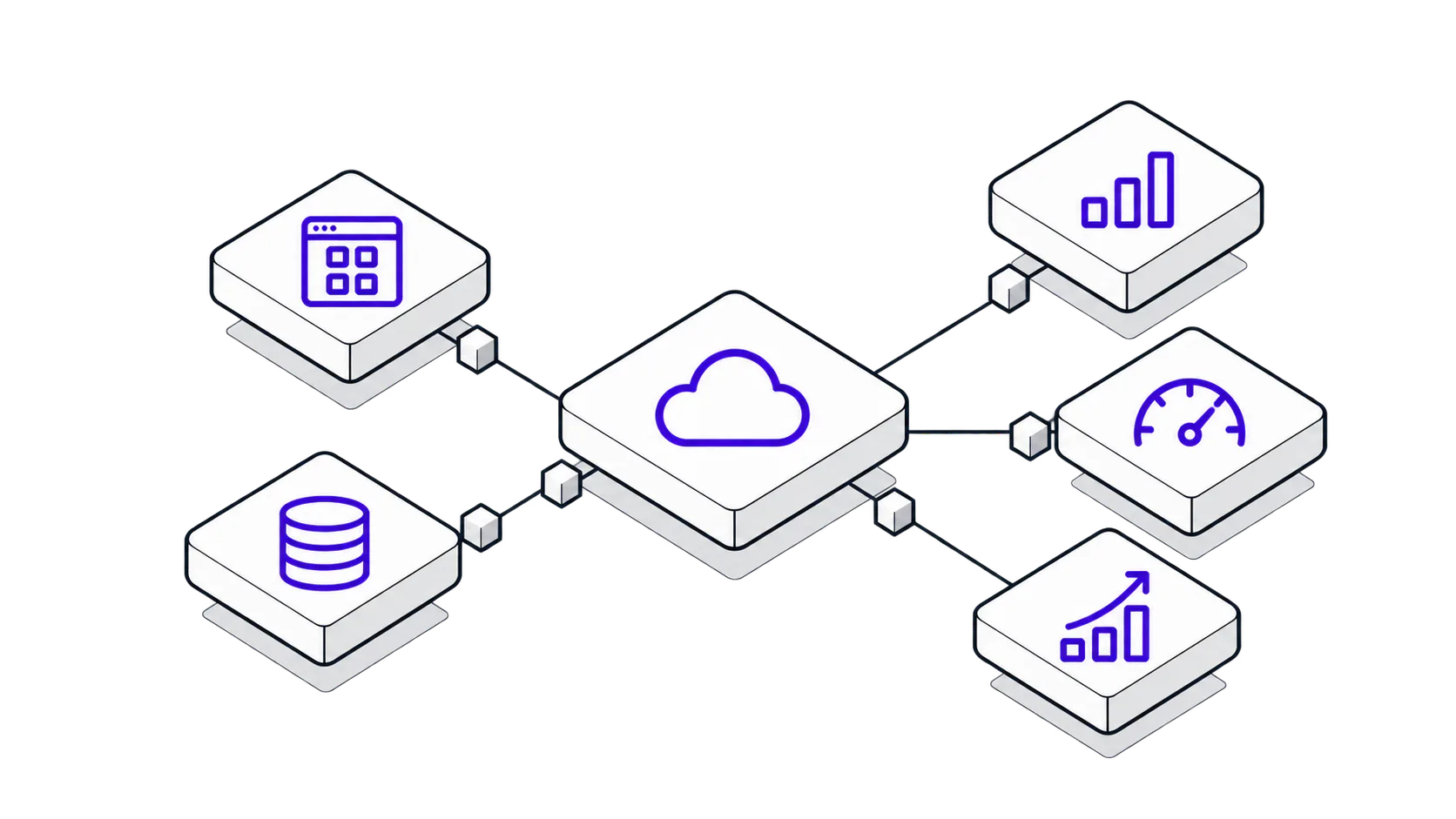
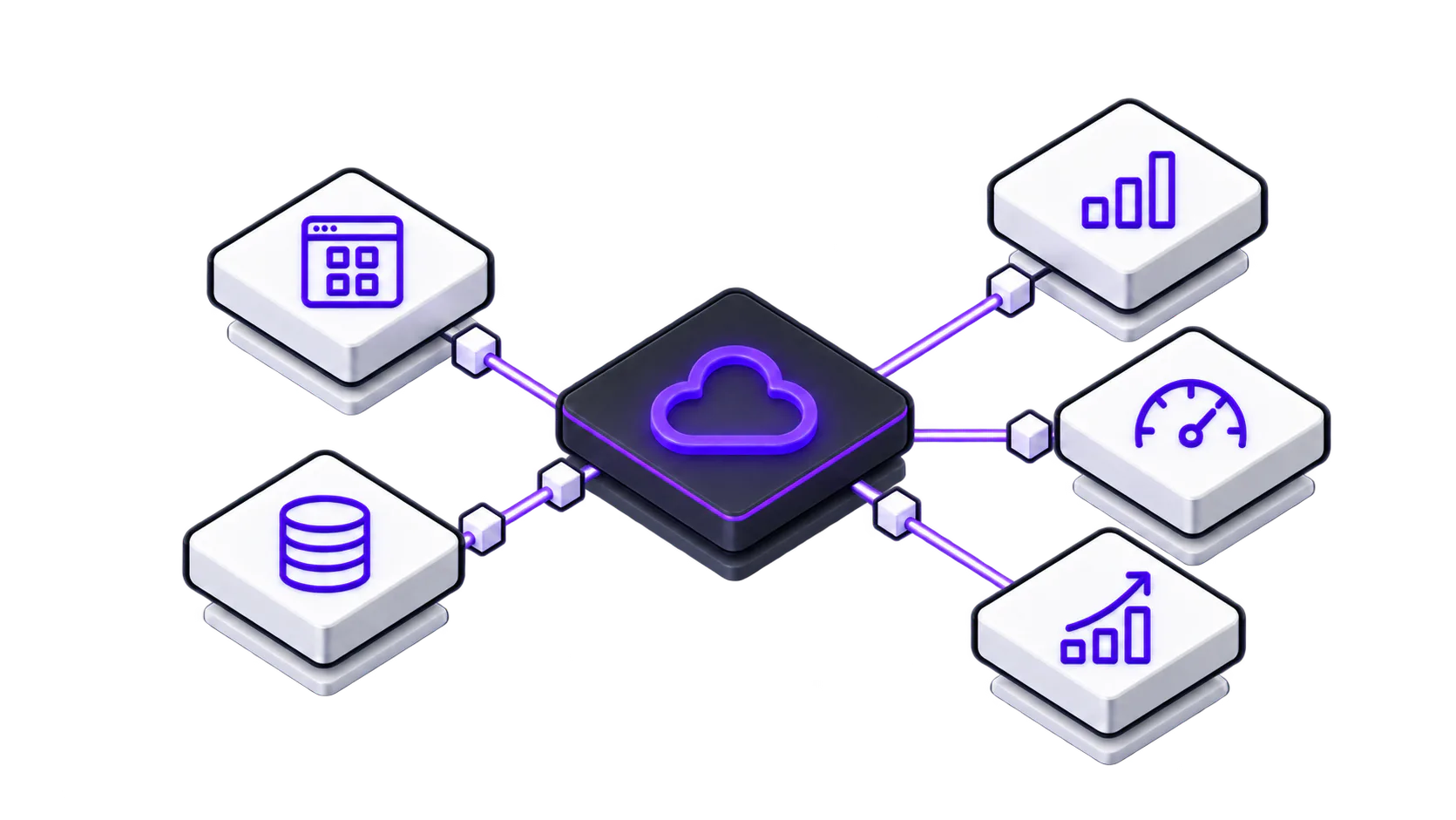
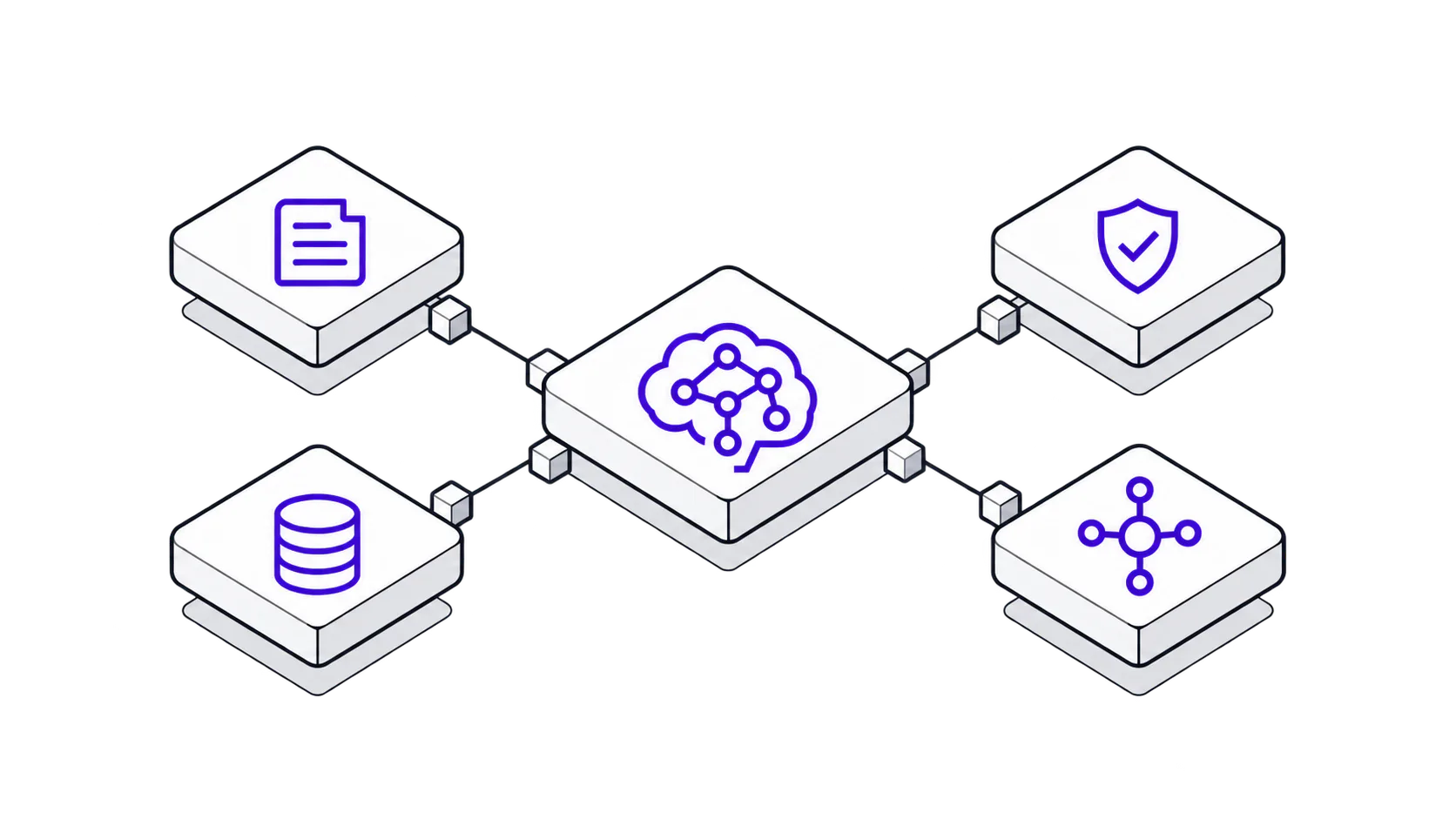
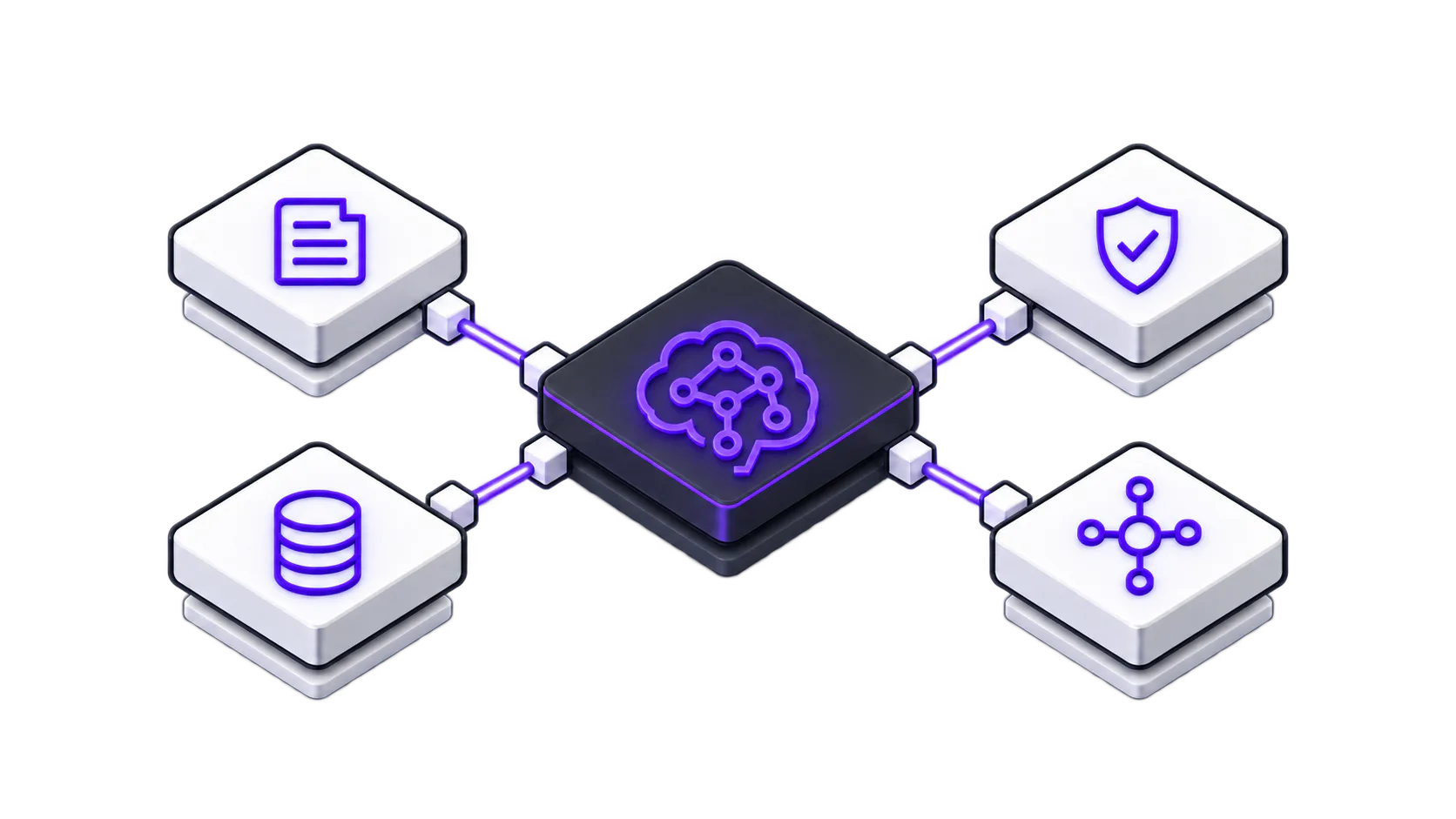
The pattern we keep landing on with clients is no longer 'RAG'. It's an orchestrated layer that combines retrieval with structured queries, tool calls, freshness guarantees, and access controls — choosing the right move per question rather than running everything through the same pipe. Vector search becomes one tool among many.
Concretely, that looks like
- Hybrid retrieval (vector + BM25 + metadata filters) with a learned reranker.
- Query routing: classify the question, then pick retrieval, SQL, or a tool call.
- Per-user authorisation baked into the retrieval contract — not bolted on after.
- Continuous offline evaluation against a fixed golden set, plus live trace sampling.
- Caching and freshness policies that make economic sense for your usage pattern.
The honest take
RAG was a stepping stone, and a useful one. The teams pulling ahead now are the ones treating retrieval as a single capability inside a larger knowledge system — and engineering that system with the same rigour they'd apply to any other piece of production infrastructure.